Deep hole drilling is a critical manufacturing and woodworking technique used to create holes that are significantly deeper than their diameter. Unlike standard drilling, which typically deals with shallow holes, deep hole drilling requires specialized tools, techniques, and equipment to maintain precision, ensure smooth surfaces, and prevent drill breakage. Whether you are drilling deep holes in steel for industrial parts or drilling deep holes in wood for furniture and cabinetry, mastering the fundamentals is essential for accuracy and efficiency.
Deep hole drilling is widely used across industries because many components require long, precise holes for assembly, fluid transport, or structural purposes. In aerospace, automotive, and machinery production, deep holes allow for accurate alignment of parts, fluid or lubricant channels, and mounting points. In woodworking, deep holes are often necessary for dowel joints, furniture hardware installation, or decorative inlays. Here, drilling long holes in wood with consistent straightness ensures structural integrity and aesthetic quality.
Drilling deep holes presents several challenges that are less significant in shallow drilling, including chip evacuation, tool alignment, heat generation, and surface finish quality. By understanding these challenges and the applications across materials such as steel, aluminum, and wood, professionals can choose the right tools and techniques for optimal results.
What Is Deep Hole Drilling?
Deep hole drilling is a specialized drilling process designed to create holes with a depth-to-diameter ratio of 10:1 or more. Key features include high precision, effective chip removal, and versatility across materials such as metals and wood.
The main difference between shallow drilling and deep hole drilling is the depth-to-diameter ratio, tooling, chip evacuation, and precision requirements. Shallow drilling is suitable for moderate holes, while deep hole drilling demands specialized equipment and careful technique to maintain straightness, diameter, and surface finish.
Deep hole drilling is used extensively in industrial manufacturing for hydraulic cylinders, engine components, molds, and precision parts. In woodworking, it ensures clean and straight dowel joints, furniture assembly, and long tenons. Common terms include gun drilling, pilot holes, and through-hole versus blind-hole drilling.
Equipment and Machines for Deep Hole Drilling
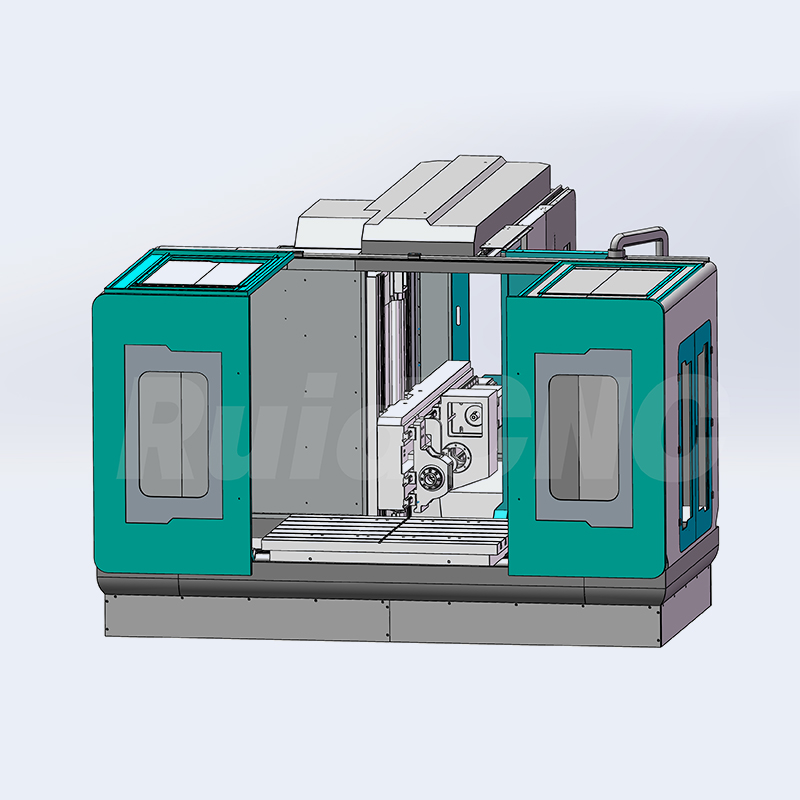
Selecting the right equipment is crucial for achieving precise results. Deep hole drilling machines are designed for high-precision work, featuring spindle alignment, integrated coolant channels, and automatic feed control. They are ideal for drilling deep holes in steel, aluminum, and wood for applications like hydraulic cylinders, molds, and furniture dowels.
CNC mills with gun drilling capabilities combine computer control with specialized long drills to achieve deep, precise holes efficiently. Lathes, particularly CNC lathes, can drill axial deep holes while rotating the workpiece, allowing for combined turning and drilling in one setup. For smaller woodworking projects, drill presses and handheld machines can also be used, especially when drilling long holes in wood with appropriate drill bits and proper clamping.
| Machine Type | Ideal Material | Max Depth | Precision | Chip Evacuation | Typical Applications |
|---|---|---|---|---|---|
| Deep Hole Drilling Machine | Steel, Aluminum, Wood | Very High (10:1+) | High | Integrated coolant & flutes | Hydraulic cylinders, molds, barrels |
| CNC Mill (Gun Drilling) | Steel, Aluminum | High | Very High | Coolant-fed internal flutes | Aerospace, automotive, precision components |
| CNC Lathe | Steel, Wood, Aluminum | Medium-High | High | Through-spindle coolant | Shafts, furniture, long dowels |
| Drill Press / Hand Drill | Wood, Soft metals | Low-Medium | Medium | Manual or external | DIY woodworking, furniture, small parts |
Tools and Drill Bits for Deep Hole Drilling
The right tools are essential for precision and efficiency. Gun drills are ideal for metals, featuring a hollow design for coolant flow and a single-lip cutting edge for accurate, straight holes. High-Speed Steel (HSS) drill bits work well for medium-depth holes, while carbide-tipped bits are suited for hard or abrasive metals.
For wood, auger bits, Forstner bits, and spade bits are most effective. Pilot holes improve straightness and reduce splintering in long holes. Proper selection, cooling, and maintenance ensure optimal performance.
| Material | Recommended Drill Bit | Notes |
|---|---|---|
| Steel | Gun drill, HSS, Carbide-tipped | Use coolant, pilot hole recommended |
| Wood | Auger bit, Forstner bit, Spade bit | Pilot hole optional for extremely long holes |
| Aluminum | HSS, Carbide | Coolant helps extend tool life |
| Composite/Plastic | HSS, Wood bits | Low speed to prevent melting |
Techniques for Drilling Deep Holes in Wood
- Choose the Right Drill Bit: Auger bits for long straight holes, Forstner for flat-bottomed precision holes.
- Secure the Workpiece: Clamp wood firmly and use guide jigs to maintain straightness.
- Step-by-Step Drilling: Mark the hole, drill a pilot hole, set moderate speed, feed steadily, and remove chips frequently.
- Tips for Long Holes: Drill from both sides if necessary, clear chips periodically, and use a guide to prevent wandering.
- Common Mistakes: Avoid crooked holes, splintering, overheating bits, and clogging by using pilot holes, slow feeds, and chip clearing.
Techniques for Drilling Deep Holes in Steel
- Select the Right Drill Bit: Gun drills for extreme depth, HSS for medium depth, carbide for hard metals.
- Use Proper Cooling and Lubrication: Continuous coolant or cutting fluid prevents overheating and extends tool life.
- Chip Management: Fluted bits and periodic withdrawal remove chips efficiently.
- Step-by-Step Drilling: Mark the location, drill pilot hole, adjust spindle speed and feed, use coolant, and monitor progress.
- CNC and Lathe Methods: CNC gun drilling provides high precision, while lathes allow deep axial holes with proper alignment.
| Problem | Possible Cause | Solution |
|---|---|---|
| Drill wanders | Misalignment | Use pilot hole and guide |
| Poor surface finish | Dull tool | Sharpen drill, adjust feed |
| Overheating | High speed, insufficient coolant | Slow down, increase coolant |
| Chips clog hole | Wrong bit, no coolant | Use fluted bits, clear chips |

Advanced Tips and Best Practices
- Optimize Feed Rate and Speed: Adjust based on material—slower for steel, moderate for wood.
- Maintain Proper Alignment: Pilot holes, guide jigs, and periodic checks prevent wandering.
- Manage Heat and Chips: Coolant and fluted bits for steel; frequent chip clearing for wood.
- Step Drilling: Use incremental bit sizes for very deep holes.
- Monitor Tool Wear: Replace worn bits promptly to maintain precision.
- Safety Considerations: Wear goggles, clamp workpieces, handle coolant carefully, and follow emergency protocols.
Applications of Deep Hole Drilling
Deep hole drilling is widely applied in:
- Industrial Manufacturing: Aerospace, automotive, oil & gas, machinery, molds, and dies.
- Woodworking: Furniture making, cabinetry, decorative inlays, and DIY projects.
- Precision Engineering: CNC gun drilling for prototypes, laboratory components, and shafts.
| Advantage | Description |
|---|---|
| High Precision | Tight tolerances in diameter and straightness |
| Surface Finish | Smooth internal surfaces reduce post-processing |
| Material Versatility | Metals, wood, and composites |
| Efficiency | Specialized machines reduce manual effort |
Cost, Efficiency, and Safety Considerations
- Cost: Deep hole drilling machines and CNC setups have high initial costs but reduce rework and downtime. Tooling costs vary: gun drills, HSS, carbide.
- Efficiency: CNC automation, chip management, coolant flow, and step drilling improve cycle times and quality.
- Safety: Use protective gear, secure workpieces, handle coolants properly, and maintain drills.
| Factor | Low-End Drill Press / Hand Drill | CNC Gun Drill / Deep Hole Machine |
|---|---|---|
| Initial Cost | Low | High |
| Precision | Moderate | Very High |
| Depth Capability | Low-Medium | Very High (10:1+) |
| Tool Life | Moderate | Long |
| Efficiency | Lower | High |
| Safety | Moderate | High |
Conclusion
Deep hole drilling is essential for both industrial manufacturing and woodworking. Using the right equipment, tools, and techniques ensures accuracy, efficiency, and long tool life. Whether drilling deep holes in steel for industrial components or drilling deep holes in wood for furniture, following best practices guarantees high-quality, precise results.